

Peruvian Chicken with Creamy Green Sauce
9 September 2026
The Tiny Changes That Keep You Out of the Dental Chair
9 September 2026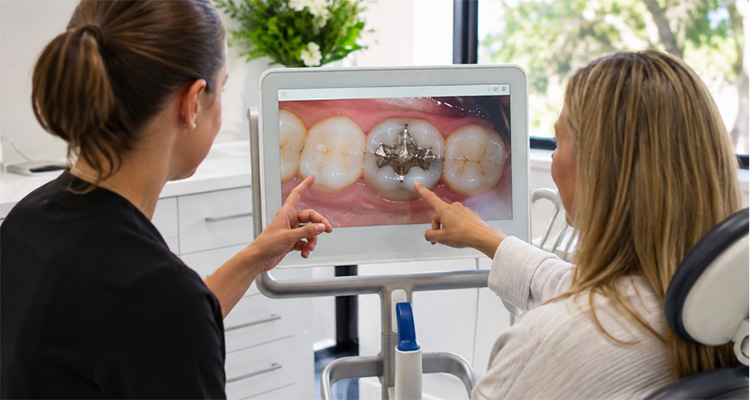
Most fillings are designed to last for many years, but they don’t last forever.
Just like the tyres on your car or the roof on your home, dental fillings experience years of wear and tear. Every time you chew, bite or grind your teeth, your fillings are placed under pressure. Over time, they can gradually wear down, crack or separate from the tooth.
The good news is that fillings rarely fail overnight. In many cases, there are small warning signs that suggest a filling may be reaching the end of its lifespan.
Here are eight signs that an old filling may need replacing.
1. The Filling Feels Rough or Different
Your tongue is incredibly sensitive and often notices changes before your eyes do.
If a filling suddenly feels rough, sharp or uneven, it may have chipped or worn down. Even a small change in texture can indicate that the filling has been damaged.
If something doesn’t feel quite right, it’s worth having it checked.
2. Food Keeps Getting Stuck
Have you noticed food constantly getting caught around the same tooth?
While this can sometimes happen naturally, it may also indicate that a filling has worn away or that a small gap has developed between the filling and the tooth.
These gaps can trap food and plaque, increasing the risk of further decay.
3. Your Tooth Has Become Sensitive
Sensitivity isn’t always caused by tooth decay.
An ageing filling may allow hot, cold or sweet foods to reach areas of the tooth that were previously protected.
Occasional sensitivity isn’t always a cause for concern, but if it’s becoming more frequent or noticeable, it may be time to have the filling assessed.
4. You Notice a Crack
Over time, both teeth and fillings are exposed to significant chewing forces.
A crack may develop within the filling itself, around the edge of the filling or in the surrounding tooth structure.
Some cracks are easy to see, while others are only visible during a dental examination.
Either way, a cracked filling should be assessed before the damage progresses.
5. The Filling Has Changed Colour
It’s normal for fillings to change slightly in appearance as they age.
However, if you notice dark staining around the edges of a filling, it could indicate that the seal between the filling and the tooth has begun to break down.
This doesn’t always mean there’s decay underneath, but it does warrant a closer look.
6. Part of the Filling Has Fallen Out
Sometimes patients notice a small piece of filling in their mouth after eating.
Other times, they simply realise a tooth no longer feels the same.
Even if the tooth isn’t painful, losing part of a filling leaves the underlying tooth less protected and increases the likelihood of further damage.
It’s best to have the area assessed as soon as practical.
7. You Feel Pain When You Bite
Discomfort when biting down can sometimes be linked to an old filling.
As fillings age, they may loosen slightly, crack or place uneven pressure on the surrounding tooth.
Pain doesn’t always mean the filling needs replacing, but it does indicate that something isn’t functioning as it should.
An examination can help determine the cause.
8. It’s Been There for a Very Long Time
Many fillings continue to function well for years, but none are permanent.
Older fillings may still look perfectly acceptable on the surface while gradually wearing beneath the areas you can see.
Regular dental check-ups allow us to monitor existing fillings over time and identify early signs of wear before they develop into larger problems.
Why Fillings Don’t Last Forever
Every filling expands and contracts slightly as you eat and drink hot and cold foods.
Over thousands of meals and many years of chewing, these tiny movements slowly affect both the filling and the surrounding tooth.
Daily wear, teeth grinding, large biting forces and normal ageing all contribute to the lifespan of a filling.
This is completely normal and doesn’t necessarily mean anything has gone wrong.
Replacing a Filling Isn’t Always an Emergency
Many patients assume that if a filling needs replacing, they’ve done something wrong.
That’s rarely the case.
Most fillings are replaced simply because they’ve reached the end of their useful life.
Replacing a worn filling before it causes further damage often helps preserve more of the natural tooth and may prevent more complex treatment from becoming necessary.
Looking After Your Existing Dental Work
Fillings play an important role in restoring damaged teeth, but like every part of the body, they benefit from regular monitoring.
Paying attention to changes in how a filling feels, looks or functions can help identify potential problems early.
Combined with good daily oral hygiene and regular dental check-ups, monitoring your fillings is one of the simplest ways to keep your smile healthy for years to come.
If you’ve noticed changes to one of your fillings or it’s been a while since they were last assessed, our friendly team is always happy to help ensure everything is functioning exactly as it should.